Long-distance cycle touring is one of the most liberating and rewarding ways to travel. Unlike conventional vacations that revolve around destinations, cycle touring is as much about the journey as the arrival. It blends physical challenge, self-reliance, and exploration, offering a slow and intimate connection to landscapes, cultures, and people along the way. Whether pedaling across a continent or riding through your home country, touring by bicycle transforms travel into an immersive adventure where every mile tells a story.
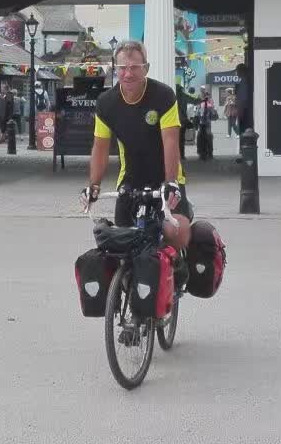
At its heart, cycle touring is simple: you load your bicycle with the gear you need, plan (loosely or meticulously) a route, and set off. The beauty lies in its flexibility. Some riders prefer the ultralight “bikepacking” approach, carrying minimal equipment and moving quickly over rough trails. Others embrace the classic fully-loaded style, with panniers packed for weeks or months of self-sufficiency. Some tours last a weekend, while others stretch into year-long journeys across multiple countries. Regardless of the style, the essence is the same: travel at human speed, powered by your own legs, guided by curiosity and determination.
What makes cycle touring unique is its balance of independence and vulnerability. Unlike driving, cycling exposes you to the elements—you feel the wind shift, notice the gradient of every hill, and experience the climate in a way no windshield can replicate. Yet it also provides freedom that walking or hiking cannot. A bike can cover fifty miles in a day without rushing, opening a wider range of terrain and cultures to explore. The rhythm of pedaling becomes meditative, and the pace naturally encourages interaction. Locals may stop to ask where you’re headed, invite you for a meal, or share a shortcut, moments that rarely occur when traveling by car or train.
Preparation is an important part of touring. Riders must balance comfort and efficiency, carrying enough gear for safety and self-sufficiency without overloading. A sturdy touring or gravel bike, racks or bikepacking bags, and reliable camping equipment are typical essentials. Navigation can be as old-fashioned as paper maps or as modern as GPS apps, but flexibility is crucial—detours and surprises are inevitable. Physical fitness helps, but touring is less about peak athletic performance and more about consistency, resilience, and the willingness to adapt.
The challenges are real: steep climbs, headwinds, breakdowns, or the occasional lonely stretch of road. But these difficulties often become the most memorable stories. Overcoming them fosters resilience and confidence, while the rewards are immense. Sunrises over mountain passes, the satisfaction of reaching a town after a long day, or the joy of sharing a meal with strangers all feel amplified when earned through effort. Touring cyclists often describe a deepened sense of gratitude, both for simple comforts—like a warm shower or a fresh loaf of bread—and for the kindness of strangers met along the way.
Ultimately, long-distance cycle touring is more than a way to travel; it is a philosophy of movement. It teaches patience, self-reliance, and openness to the unknown. For those seeking adventure, connection, and the joy of journeying under their own power, the bicycle is a timeless companion. Every ride is an opportunity to discover not just new places, but also new strengths within yourself.
Enter your name, email and send me feedback!
What do you think?